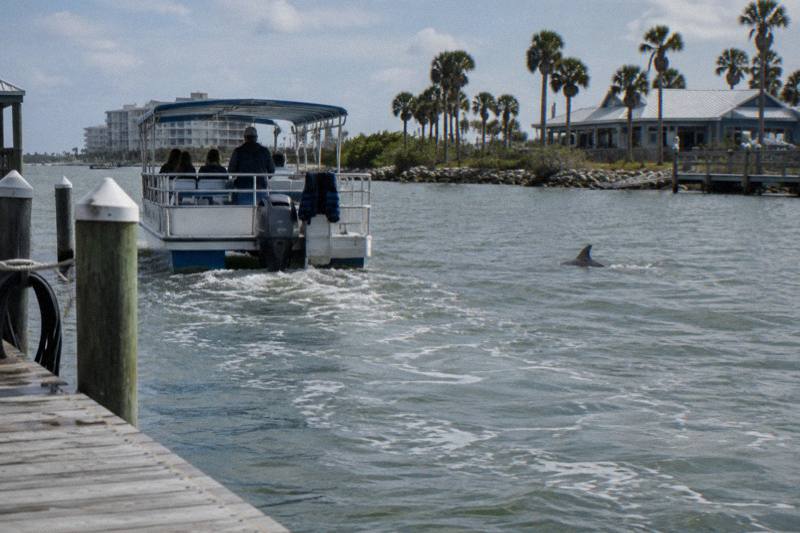
Do Cocoa Beach Dolphin Tours Guarantee You Will See Dolphins?
No Cocoa Beach dolphin tour guarantees sightings, but resident Banana River dolphins make them very likely. Here is what listings can promise, what the law requires, and what happens if dolphins stay away.
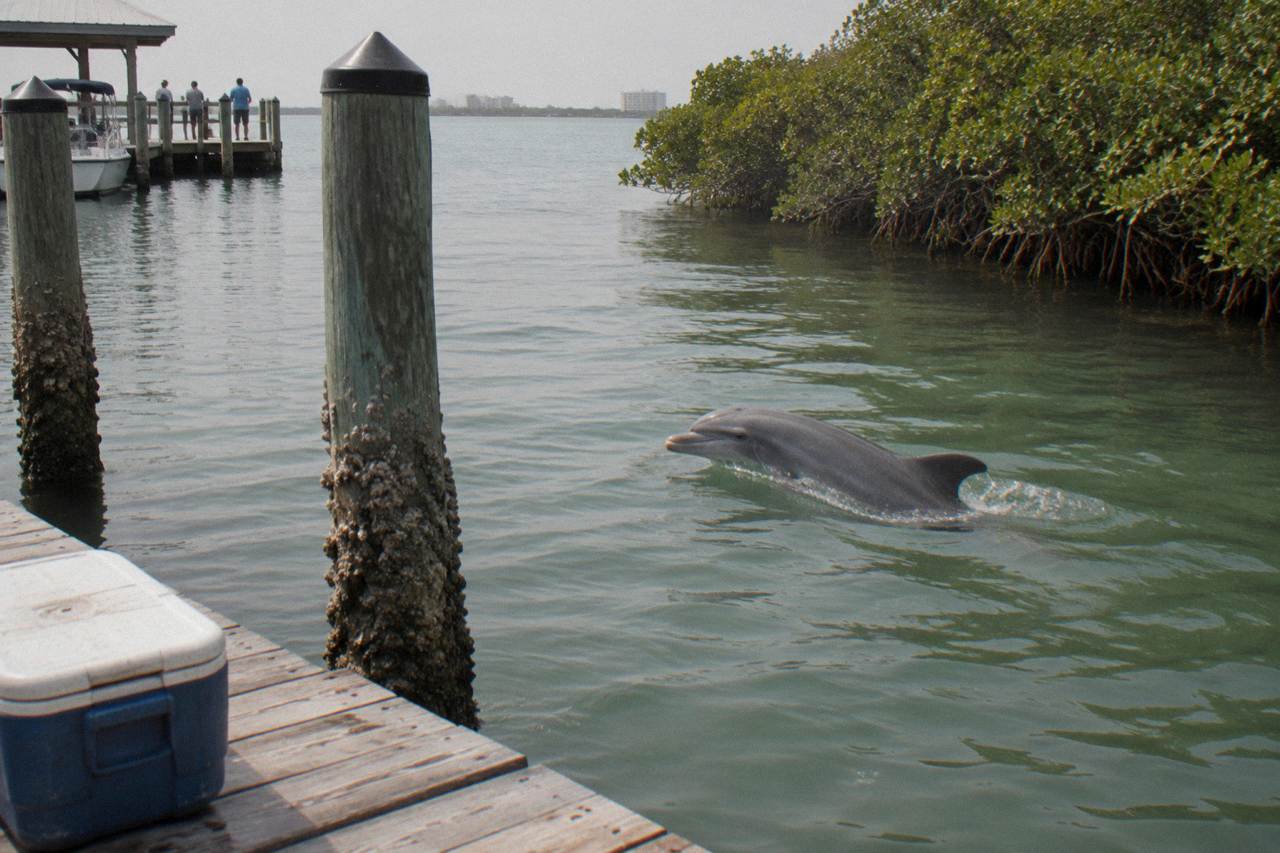
The honest answer is no, and Cocoa Beach is a good place to explain why. Every dolphin tour operating on the Banana River and the wider Indian River Lagoon runs on wild, resident bottlenose dolphins that no captain can summon, fence in, or schedule. The 2-hour Dolphin and Wildlife Tour that anchors this site's roster, 4.8 from 1,211 reviews and from $38.99 per person, sells the chance to watch them, not the certainty. What makes Cocoa Beach unusual is that the chance is a strong one: the lagoon system holds a resident dolphin population that tours encounter on most departures, which is why operators here can stay in business without ever printing the word guarantee except to say they do not offer one. This article walks through what "regularly sighted" means in practice, what a listing is legally allowed to promise, and what your realistic options are on the rare quiet afternoon.
Do Cocoa Beach Dolphin Tours Guarantee You Will See Dolphins?
No Cocoa Beach dolphin tour guarantees dolphin sightings, and none is allowed to. Dolphins in the Banana River and Indian River Lagoon are wild marine mammals protected by federal law, and any operator promising a confirmed encounter would be making a claim no responsible captain makes. Cocoa Beach tours instead sell a very high likelihood, backed by a resident dolphin population and a captain who knows where they feed.
The distinction matters more here than in most destinations. Cocoa Beach sits on the Banana River, a shallow, food-rich arm of the Indian River Lagoon estuary that supports a year-round population of common bottlenose dolphins. These are not migratory animals passing through on a schedule. They live, feed, and raise calves in the same waters the tours cross every day, which is why operators can honestly describe dolphins as "regularly sighted" on their trips without ever attaching the word guarantee to the sentence.
The best available federal abundance estimate for the Indian River Lagoon Estuarine System stock, the population that includes the Banana River, is 1,032 dolphins, according to NOAA's stock assessment. That figure comes with confidence intervals and caveats, but the takeaway for a visitor is simple: roughly a thousand dolphins are spread across the lagoon system the tours paddle and motor through. A two-hour loop through their core feeding ground does not find them every single time, but it finds them most of the time, and the reviews reflect that pattern rather than a promise kept or broken.
If you are comparing options before reading further, the three tours above are the site's featured boat formats: the large-group Dolphin and Wildlife Tour from $38.99, the small-group Dolphin Family eco boat from $63, and the six-guest Dolphin Adventure Sail from $50.85. None of the three guarantees dolphins. All three run in waters where dolphins are regularly reported, and all three hold free cancellation on their listings, which is the honest hedge a wild-animal tour can offer.
What "Regularly Sighted" Means On The Banana River
"Regularly sighted" means tour crews report dolphins regularly without being able to promise any single outing. It describes a pattern built on resident animals and known feeding spots, not a schedule. A listing that says dolphins are "commonly seen" is telling the truth; a listing that says you "will see" them is overreaching, and the better Cocoa Beach listings do not do it.
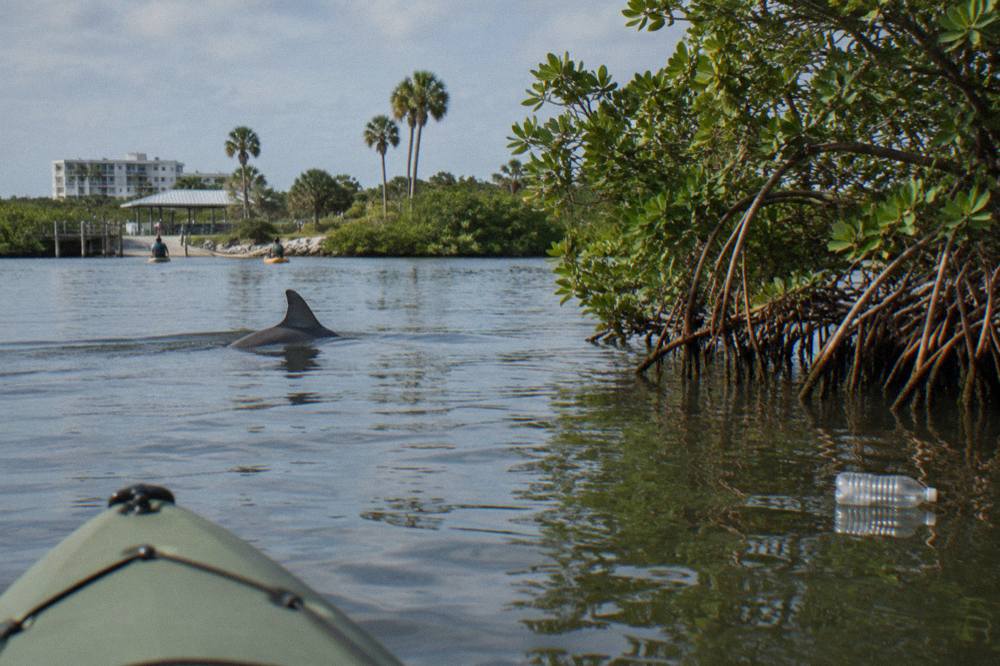
Resident dolphins change the math of a wildlife tour. In a migration destination, a tour company is guessing where animals will be weeks in advance. On the Banana River, the same social groups work the same sea-grass flats and channel edges through the seasons, and captains learn their habits the way a fisherman learns a hole. When reviews of the featured Dolphin and Wildlife Tour run to 1,211 entries at a 4.8 average, that consistency is a large part of what is being rated. Guests are not rating a guarantee, they are rating a strike rate.
That strike rate also explains the phrasing you will see across this site's roster. The small-group Dolphin Family eco boat, 4.8 from 100 reviews and from $63 per person, and the Banana River, Canaveral Locks and Port Tour, 4.8 from 103 reviews and from $40, both describe dolphins and manatees as animals they look for and regularly find. The Dolphin Adventure Sail from $50.85, capped at six guests, makes the same implicit claim in a smaller frame. Nowhere in the roster does a listing print a sightings guarantee, and the absence is not modesty, it is accuracy.
There is a legal layer underneath the honest one. NOAA's marine life viewing guidelines direct vessels to stay at least 50 yards from dolphins, about half a football field, and make it illegal to feed or harass them under the Marine Mammal Protection Act. A tour that guaranteed close encounters would be guaranteeing something it is not permitted to deliver. Cocoa Beach operators work within the rule: they position near feeding dolphins, hold a respectful distance, and let the animals decide the show. For a deeper look at the page's core comparison, see how to choose a Cocoa Beach dolphin tour.
Why No Operator Can Promise Wild Dolphins
No operator can promise wild dolphins because dolphins are protected wild animals whose movements nobody controls, and federal law prohibits the feeding, chasing, or close pursuit that a guarantee would require. A captain can take you where dolphins feed; only the dolphins can appear. Any guarantee of a wild sighting would be either false advertising or a plan to break the law.
The Marine Mammal Protection Act is the blunt instrument here. NOAA's guidance is explicit that feeding wild dolphins is illegal, and harassment, which includes acts that disrupt behavior, carries federal penalties. An operator who could truly guarantee an encounter would need to control the animals' location or behavior, and every mechanism for doing that, chumming, chasing, encircling, is prohibited. The guarantee some visitors imagine, a captain who knows a spot so well the dolphins are always there, collapses the first time a pod follows a bait run three miles down the lagoon.
Weather and tide add their own veto. The Banana River is shallow, and dolphins move with the baitfish, which move with the light, the tide, and the fresh-water inflows after rain. A morning that produced six sightings can be followed by an afternoon that produces none, on identical water, with an identical crew. Reviews mention these quiet trips honestly: the pattern across the roster's feedback is high strike rates with occasional blank cards, exactly what you would expect from wild residents.
There is one more reason operators do not promise dolphins, and it is reputational. A tour company on a small waterfront lives on its reviews. Promising sightings to fill a boat guarantees a stream of one-star reviews from the unlucky minority, while honest phrasing, regularly sighted, very likely, possible, keeps expectations where the animals can meet them. The detailed version of this argument, with the sighting-rate question examined trip by trip, is in do dolphin tours in Cocoa Beach ever miss.
What A Tour Listing Can And Cannot Promise
A listing can promise the boat, the crew, the duration, the route, and the included gear, all of which the operator controls. It cannot promise dolphins, manatees, weather, or water conditions, none of which it controls. Reading a Cocoa Beach listing's includes and excludes sections tells you exactly where the operator has drawn that line, and the honest listings draw it cleanly.
The roster on this site makes a good case study. The featured Dolphin and Wildlife Tour promises a 2-hour boat trip from $38.99 per person, toilets on board, free cancellation, and a departure from the dock at Sunset Waterfront Bar and Grill, 200 feet from customer parking at 420 W Cocoa Beach Causeway. Every one of those items is within the operator's control. What the listing does not promise is a dolphin at any particular minute, and its 1,211 reviews at 4.8 describe outcomes, not obligations.
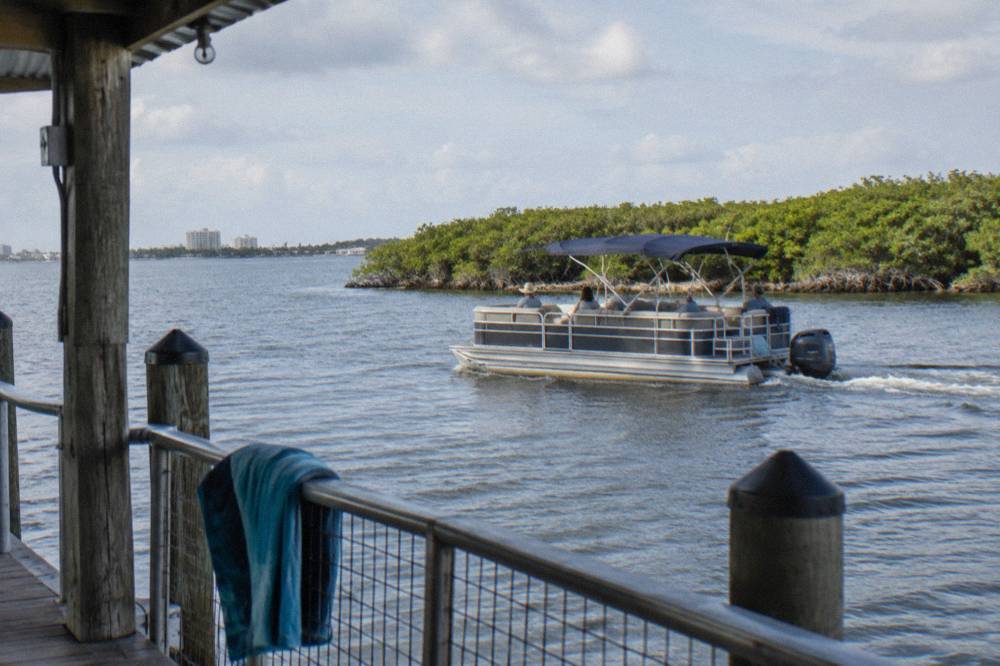
The contrast between the two halves of a listing is worth a table, because it is the cleanest way to see what you are actually buying.
| What the listing controls | What the dolphins and the sky control |
|---|---|
| Boat, crew, and guide for the stated duration | Whether dolphins appear, and how many |
| Route and the waters searched | How close dolphins choose to approach |
| Gear and amenities listed as included | Manatee presence alongside the dolphins |
| Departure point and check-in time | Water clarity, wind, and afternoon storms |
| Free cancellation terms where offered | Total time spent with any animal |
One more honesty marker worth knowing: the roster's only listing without free cancellation is the 2.5-hour Eco Activity, 5.0 from 309 reviews and from $42.80 per person. Everything else on the dolphin boat side, from the $38.99 sunset departure to the private two-hour charter at $374.50 per group, carries free cancellation. That refund flexibility is the industry's way of pricing the wild-animal risk honestly: the operator cannot promise dolphins, so it promises you your money back if your plans change before the trip. Reviews occasionally mention shortened trips when weather builds mid-route, and a captain calling a trip early for lightning is doing exactly what the listing's weather language reserves the right to do.
Weather, Shortened Trips, And What Happens If Dolphins Do Not Show
If dolphins do not show, the trip still runs as a wildlife and scenery tour, and the listing's own cancellation line governs refunds: cancel before the cutoff for free where free cancellation is offered, but a completed tour without dolphins is not a refundable event. Weather calls belong to the captain, who can shorten or reroute a trip for safety. Read the cancellation terms before booking, not after a quiet afternoon.
This is the part of the honest answer visitors most often wish were softer. A dolphin tour without dolphins is still a two-hour lagoon cruise past mangrove islands, wading birds, and the Thousand Islands maze, and the listing sells that whole experience, not a single species. The featured tour's roster entry lists free cancellation, meaning you can cancel ahead of the trip under the listing's terms. Once the boat has sailed and the crew has searched, the tour you paid for has been delivered, even if the dolphins sent regrets.
Weather is a different category, and operators handle it more concretely. The Atlantic hurricane season runs June 1 to November 30, and Central Florida afternoons generate thunderstorms year-round, so captains reserve the right to delay, reroute, or shorten a departure. When a trip is cut short by weather, the remedy is between you and the operator under the listing's terms, and the crew announces the call on the dock or by message before departure whenever the forecast allows. The practical advice is boring and effective: book a morning slot in summer, when the sea breeze builds storms later in the day, and keep your phone reachable on the day of the tour.
Sightings rates are also a format question, not just a luck question, and the format you choose changes your exposure to a blank afternoon.
| Format | Example from this roster | Why it affects your odds |
|---|---|---|
| Large covered boat | Dolphin and Wildlife Tour, from $38.99, 2 hours | Higher viewing deck, more eyes on the water, 49-guest capacity |
| Small-group eco boat | Dolphin Family eco boat, from $63, 2 hours | Fewer guests, quieter approach, shallow-water routing |
| Small sailing cat | Dolphin Adventure Sail, from $50.85, max 6 | Silence under sail lets dolphins approach the hull |
| Sunset departure | Cocoa Beach Sunset Tour, from $38.99, 2 hours | Feeding activity often picks up toward dusk |
The sunset format deserves its own word. Dolphins on the Banana River feed in patterns, and late-day light on calm water is a dependable combination for surface activity, which is why the Sunset Tour, 4.9 from 341 reviews, shares the same route as the daytime trip but with the odds tilted slightly by timing rather than by any promise.
For readers whose real goal is proximity rather than a guarantee, the paddle side of the roster offers a different bargain. The Mangrove Tunnels, Dolphins, Manatee kayak tour, 5.0 from 898 reviews and from $64.82 per person, puts you at water level in the narrow channels where dolphins hunt baitfish, and a kayak makes no engine noise for them to avoid. The trade is deliberate: you are closer to the water and farther from any single animal, and the tour's complimentary photos, included on the listing, document whatever the day produced.
The 50-Yard Rule And Viewing Dolphins Responsibly
Federal guidelines direct boaters and paddlers to stay at least 50 yards from dolphins, about half a football field, and make feeding or harassing them illegal under the Marine Mammal Protection Act. Cocoa Beach tours work within that rule, which means the dolphins approach on their own terms. The same protections apply to manatees under Florida law, where touching or pursuing one is unlawful.
The distance rule shapes the experience more than most first-time visitors expect. A dolphin sighting on a lawful tour is not a SeaWorld-style pass beside the hull; it is a pod surfacing and feeding at a respectful distance while the captain holds position and lets the encounter develop. When dolphins choose to bow-ride or pass close, and they often do, it is their decision, and those moments are the ones reviews describe with the most energy. NOAA's marine life viewing guidelines set the 50-yard minimum for watercraft, and its enforcement FAQ spells out that feeding wild dolphins is illegal because it changes their behavior and endangers them.
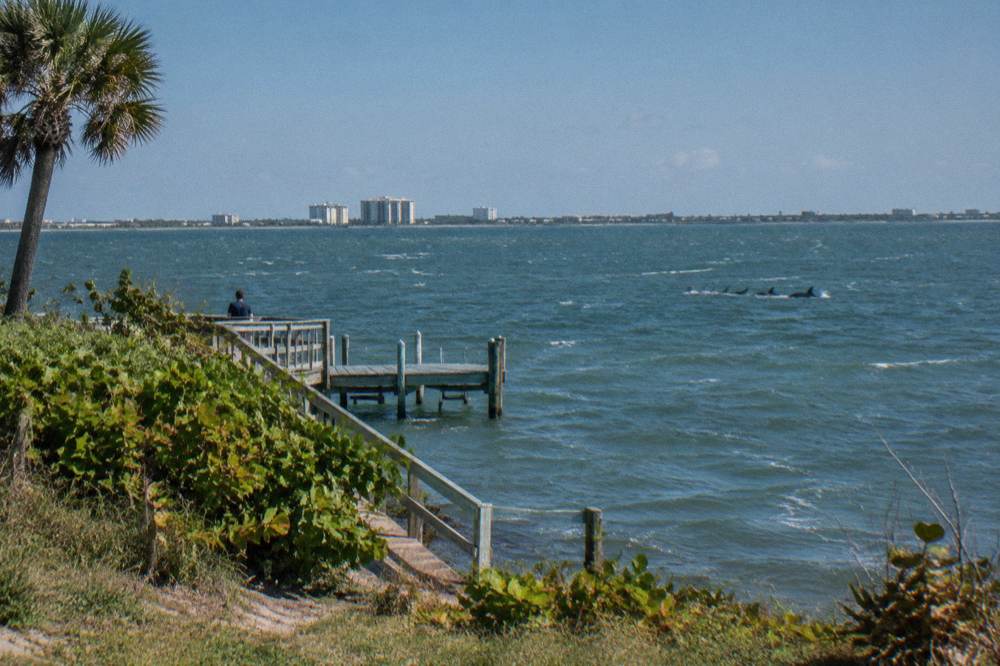
Manatees, which share these waters and appear on many of the same tours, carry their own statute. The Florida Manatee Sanctuary Act makes it unlawful to annoy, molest, harass, or disturb a manatee, and the FWC viewing guidelines put it plainly: look, but do not touch, feed, or give water to manatees, and if a manatee changes its behavior because of you, you are too close. Tour captains repeat these rules on the water because the animals surface within arm's reach of a kayak with no idea a rule exists. For the fuller version of this topic, including why swimming with dolphins is not an option here, see swimming with dolphins around Cocoa Beach.
The recovery data is the quiet good news behind every sighting question. Dolphins and manatees are here because the lagoon feeds them, and the food web runs through the sea grass, so the direction of that mapping matters to anyone booking two years out as much as two weeks out. Dolphin Tours Cocoa Beach tracks this roster and its listings on a rolling basis for exactly that reason.
Booking With The Right Expectations
Book a dolphin tour in Cocoa Beach expecting a very likely sighting aboard a specified boat with a professional crew, not a guaranteed one, and use free cancellation as your flexibility. Pick the format that matches your priorities, a big covered boat, a small eco boat, a sail, or a kayak, and a timing window that suits the season. The honest operator's pitch is probability plus professionalism, and the roster bears it out.
Practical expectation-setting comes down to three moves. First, match the format to your group: the 49-guest wildlife boat suits families and budget bookings at from $38.99, the six-guest sail suits couples, and the kayak tours suit anyone who values proximity over shade. Second, match the timing to the season: mornings in summer, sunset slots in the cooler months, and the bioluminescence window from roughly late May into early October if a night paddle is also on your list, a season covered in detail in Cocoa Beach bioluminescence season explained. Third, read the cancellation line on whichever listing you book, because it is the only promise on the page that is fully within the operator's power to keep.
The question of whether these tours are worth the price when a sighting is possible rather than certain has its own answer, and it leans yes for most visitors: the round trip on the lagoon, the mangrove maze, and the bird life carry the value on the quiet days, and the dolphins carry it on the good ones. The full argument, with pricing context across the roster, is in is a Cocoa Beach dolphin tour worth it.
The short version for the page you are on: no tour here guarantees dolphins, every tour here runs in dolphin water, and the difference between those two sentences is the entire honest pitch of wildlife tourism on the Space Coast. Choose the boat, pick the hour, hold the captain to the listing, and let the lagoon do the rest.
Common Questions About Dolphin Tour Sightings
Do Cocoa Beach Dolphin Tours Guarantee You Will See Dolphins?
No. Dolphins in the Banana River and Indian River Lagoon are wild, protected animals, and no lawful operator promises a confirmed encounter. Cocoa Beach tours sell a very high likelihood backed by a resident dolphin population, and the listings describe dolphins as regularly sighted rather than guaranteed.
How likely am I to actually see dolphins on a Cocoa Beach tour?
Sightings are regular on Cocoa Beach tours because the lagoon holds a resident population, with the federal abundance estimate for the Indian River Lagoon Estuarine System stock at 1,032 dolphins. Reviews across the roster, including 1,211 reviews at 4.8 for the featured Dolphin and Wildlife Tour, reflect high strike rates with occasional quiet trips. No single departure is a sure thing.
Do I get a refund if no dolphins appear?
Not for the absence of dolphins alone. A completed wildlife tour without a dolphin sighting is still the tour you paid for. Where a listing offers free cancellation, and most on this roster do, you can cancel ahead of the trip under the listing's terms. Weather decisions belong to the captain and are handled under the operator's own policy.
Can a tour get close to the dolphins for photos?
Tours follow NOAA's guideline of staying at least 50 yards from dolphins, about half a football field, and feeding or harassing them is illegal under the Marine Mammal Protection Act. Dolphins frequently approach boats and kayaks on their own, and those close passes produce the best photos. The Mangrove Tunnels kayak tour includes complimentary photos of your experience on the listing.
Are some times of day better for dolphin sightings?
Generally yes. Feeding activity often picks up in the early morning and toward dusk, which is one reason the Cocoa Beach Sunset Tour runs the same waters as the daytime trip. In summer, morning departures also avoid the afternoon thunderstorm pattern. Timing improves your odds; it never turns them into a guarantee.
Can manatees appear on a dolphin tour too?
Yes, manatees share the Banana River and Indian River Lagoon and are regularly reported on dolphin tours, especially in the warmer months. Manatees are protected under the Florida Manatee Sanctuary Act, which prohibits touching, feeding, or pursuing them, so sightings are always from a respectful distance.