Is Merritt Island Worth Visiting?
A balanced verdict on Merritt Island near Cocoa Beach: the wildlife refuge, Black Point Wildlife Drive, kayaking launches, entry fees and the tours that get you on the water.
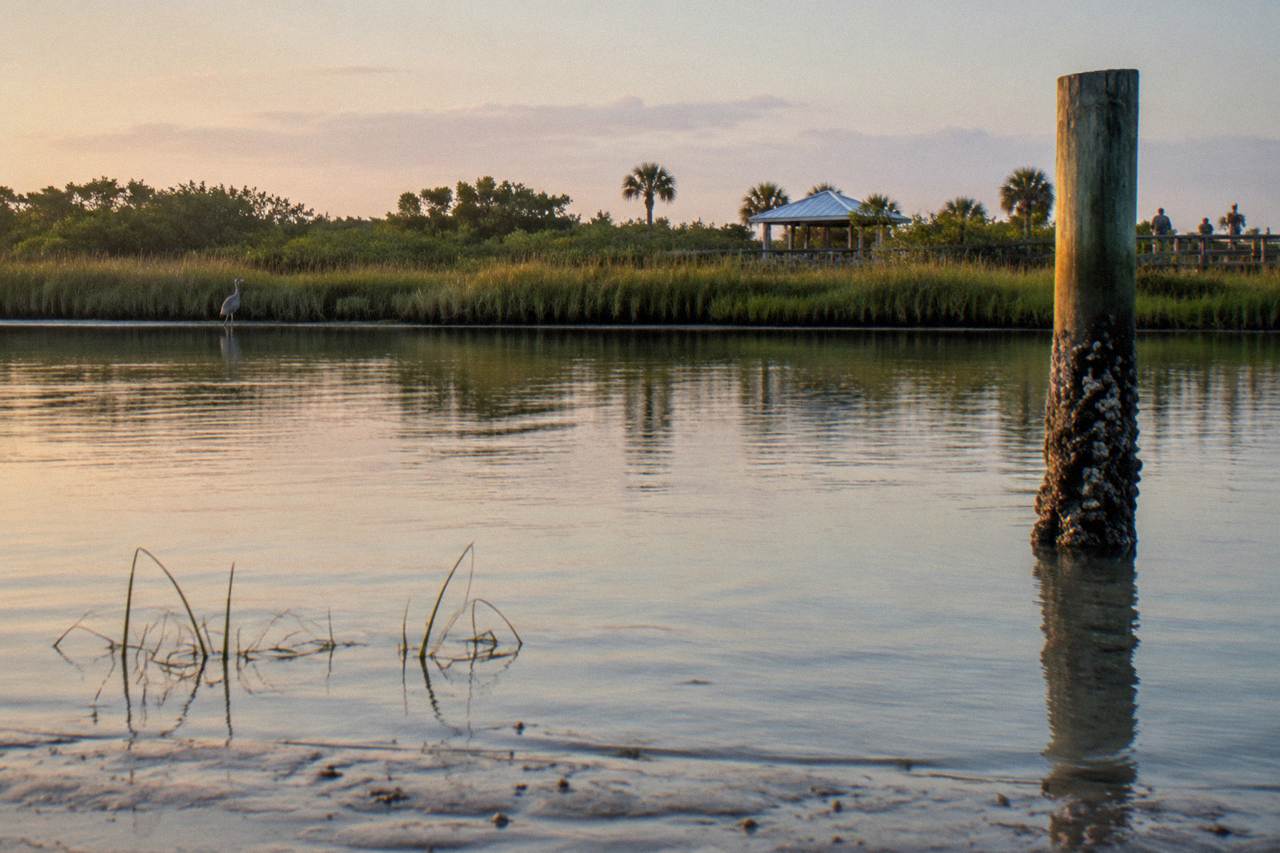
Most people arrive in Cocoa Beach for the ocean and discover, a bridge to the west, an island that is mostly water and wildlife. Merritt Island separates the Banana River from the Indian River, and the northern half of it is the Merritt Island National Wildlife Refuge, a vast expanse of marsh, lagoon and hammock wrapped around a spaceport. The verdict here comes from the official refuge and seashore facts plus the tour listings on this site, not from brochures: for wildlife, paddling and dark-sky nights, Merritt Island is genuinely worth visiting, and for beach clubs, dining and nightlife it is not the destination, Cocoa Beach is. This page lays out what the island offers, what it costs, and which guided tours make sense if you want to get on the water rather than drive past it.
Is Merritt Island Worth Visiting?
Yes, if your interest is wildlife, kayaking, bioluminescent night paddles or birdwatching, and no, if you want a conventional beach town. The refuge operates year-round with roads open sunrise to sunset, a $10 per vehicle daily pass, a seven-mile wildlife drive and an accessible Manatee Observation Deck. Add roughly a dozen guided kayak tours launching from the island, and the island earns a day of most Space Coast trips.
That verdict deserves unpacking, because "Merritt Island" means two different places. The southern, suburban half is a residential and commercial strip between Cocoa and the beaches, ordinary Florida sprawl with car lots and chain stores. Nobody crosses a bridge for that. The northern half is different: Merritt Island National Wildlife Refuge shares a boundary with NASA's Kennedy Space Center, and the land was set aside as a buffer around the space program. The refuge is what people mean when they say Merritt Island is worth the drive.
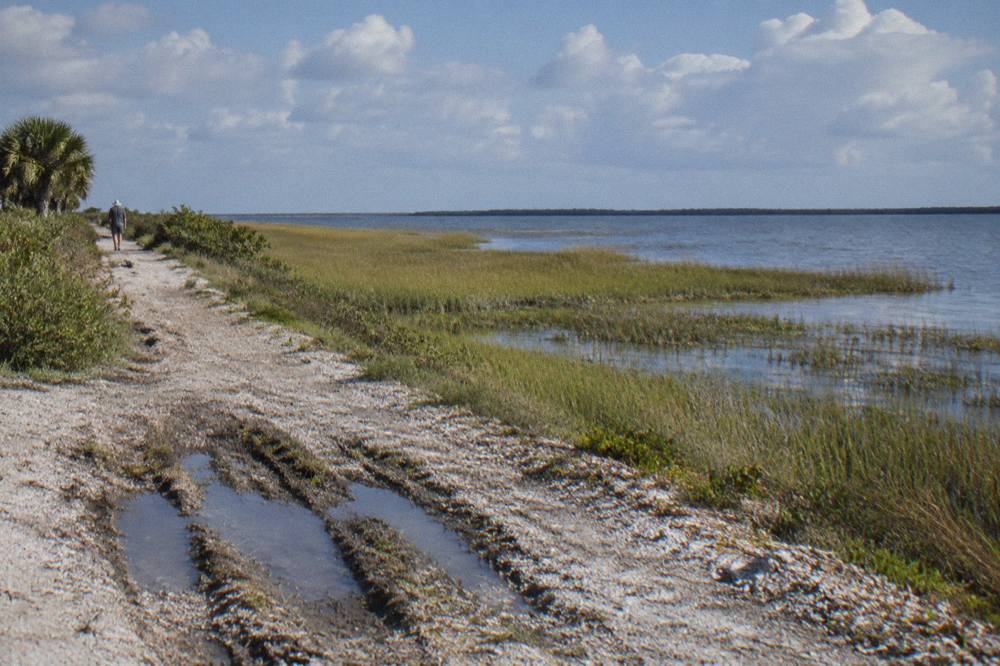
What you actually get on that northern half, per the U.S. Fish and Wildlife Service's own visit page, is a road and trail network open year-round from sunrise to sunset, a Visitor Center open 8:30 a.m. to 4:00 p.m. Tuesday through Saturday, the Black Point Wildlife Drive, boat ramps, and a handicap-accessible Manatee Observation Deck on the refuge. East of the refuge lies Canaveral National Seashore, with beach access at Playalinda and Apollo and normal operating hours typically 6:00 a.m. to 6:00 p.m., subject to change for launches. So the island stacks three experiences in one drive: refuge wildlife, undeveloped beach, and, at night on the lagoon side, some of the best bioluminescent kayaking in Florida.
For visitors based in Cocoa Beach who want to get on the water rather than drive through it, three guided paddles stand out. The wildlife refuge paddle is the deepest-in option, the Titusville refuge kayak is the value pick, and the bioluminescence kayak tour is the night version of the same lagoon.
The rest of this page works through the honest case for and against, starting with what the island actually is.
What Makes Merritt Island Different From Cocoa Beach?
Merritt Island is refuge land and launch ramps; Cocoa Beach is a walkable beach town with a pier, restaurants and tours departing from city docks. The island's attractions are natural and mostly free or cheap, while its nightlife, dining and lodging are thin. Cocoa Beach dolphin tours leave from the causeway; Merritt Island tours leave from marsh edges.
The simplest framing: Cocoa Beach faces the Atlantic, and its economy is built around the beach, the pier and the visitor corridor along State Road A1A. Lori Wilson Park, for instance, is a regional beach park with a 3,155-foot nature boardwalk, six dune crossovers, a dog park and free parking, the kind of amenity a town builds for tourists. Merritt Island faces inward, toward the lagoon, and its northern half was never developed because the space program got there first.
That difference decides your trip. If your days revolve around surfing, the pier, restaurants within walking distance and a dolphin tour that boards 200 feet from your parking spot, stay in Cocoa Beach and read the dolphin tour choosing guide before you book. If your days revolve around roseate spoonbills, manatees, quiet paddles and water that glows at night, cross the bridge.
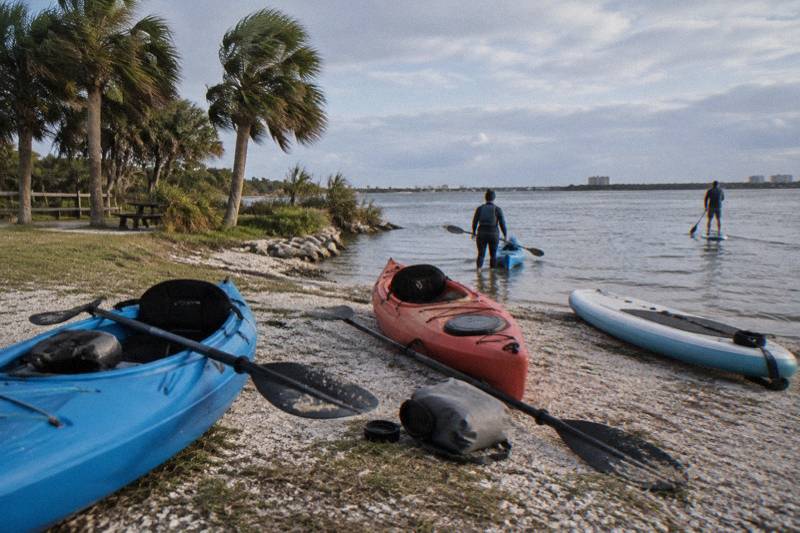
There is a practical middle path most visitors land on: sleep in Cocoa Beach, spend one full day on Merritt Island. The drive from central Cocoa Beach to the refuge entrance is short, well under an hour, and the island pairs naturally with a morning wildlife drive and an afternoon or evening paddle. Operators on the roster run exactly that kind of schedule, with kayak tours meeting at Kiwanis Island Park, Kelly Park East, Manatee Cove Park and the Titusville refuge edge.
For the fullest version of that day, the guided route through the refuge itself is the 1.5-Hour Wildlife Refuge Paddle, a small-group kayak or paddleboard tour capped at 10 people, from $100 per person, with a 4.9 rating from 229 reviews, gear and dry bags included. Details and booking are on the wildlife refuge paddle page.
Free cancellation applies on that listing, so a weather shift does not lock you into a soggy morning.
Where Can You See Wildlife On Merritt Island?
Black Point Wildlife Drive is the refuge's most popular wildlife viewing area, a seven-mile one-way auto tour through marshes, and the accessible Manatee Observation Deck is the refuge's designated manatee viewing spot. Bottlenose dolphins in the lagoon system number around 1,032 in the best federal estimate, and manatees gather reliably in warm months.
Black Point is the headline. The Fish and Wildlife Service describes it plainly as the refuge's most popular wildlife viewing area, and the reason is simple: you can cover seven miles of marsh in an air-conditioned car, stopping at numbered pullouts and observation platforms, and log more birds in an hour than most people see in a week. Wading birds, raptors, alligators and, in season, migratory waterfowl work the impoundments on both sides of the road. The drive requires the refuge daily pass.
Manatees are the second draw. The refuge operates a handicap-accessible Manatee Observation Deck, and manatees frequent refuge waters when the water is warm, most reliably in spring and summer. On the water itself, guided kayak tours report manatees and dolphins regularly in the Banana River and refuge lagoons, though nothing is guaranteed: these are wild animals, and no honest tour promises an encounter. Federal rules back that up. NOAA's viewing guidelines direct boaters to stay at least 50 yards from dolphins, and the Florida Manatee Sanctuary Act makes it unlawful to molest, harass or disturb a manatee, with state penalties up to a $500 fine and 60 days in jail. The viewing rule everywhere on the island is look, do not touch, do not feed.
The dolphin numbers deserve a sentence of context. The Indian River Lagoon estuarine system, which includes the Banana River and Mosquito Lagoon around Merritt Island, carries a best available abundance estimate of 1,032 bottlenose dolphins. Resident dolphins are regularly sighted on tours in the Banana River and Thousand Islands area near Cocoa Beach, which is why dolphin tours on this side of the water run year-round.
Two legal notes shape any wildlife day here. Swimming with, feeding or touching wild dolphins is illegal under the Marine Mammal Protection Act, covered in detail on the can you swim with dolphins page. Manatees get the same protection and the same advice: if a manatee reacts to your presence, you are too close.
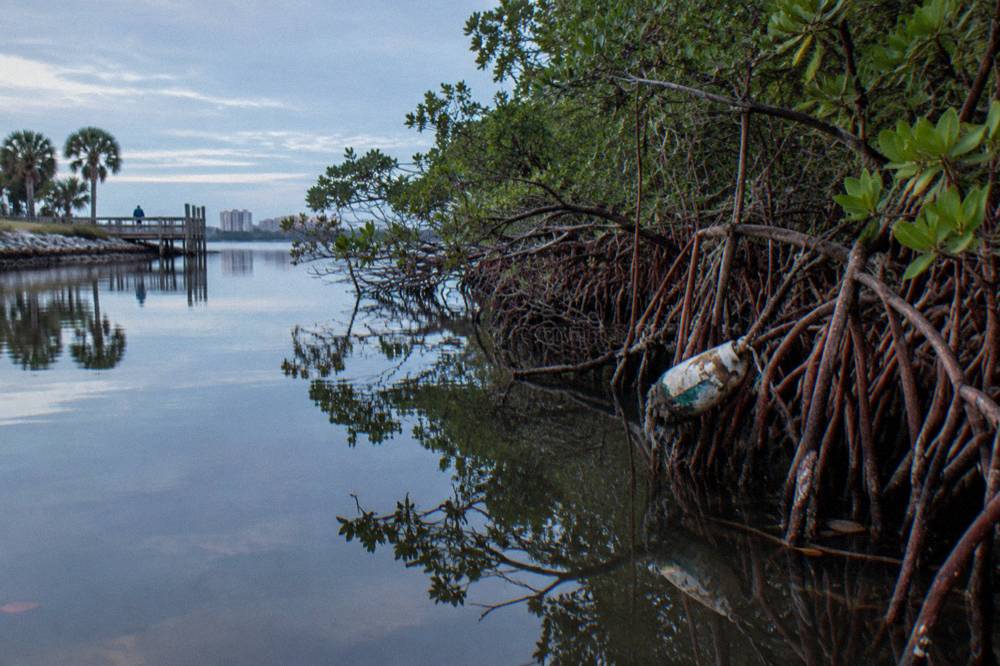
To meet the wildlife on its own terms, the guided option at the Titusville end of the refuge is a strong pick.
How Much Does Merritt Island Cost To Visit?
The refuge daily pass is $10 per vehicle, and it covers Black Point Wildlife Drive, Bio Lab Road and certain boat ramps; it can be bought at the Visitor Center, self-pay stations or online. Canaveral National Seashore charges separately. With a car and a picnic, a full island day can cost under $30 before any tour.
Here is where the value case gets strong. The refuge pass system is simple: one $10 daily pass per vehicle, annual options available, and the pass applies to the wildlife drive, Bio Lab Road and designated ramps. The Visitor Center itself, the observation deck and the general road network beyond the fee areas are accessible without extra charges. Canaveral National Seashore, which administers the Playalinda and Apollo beach districts, is a separate federal area with its own entrance fee, so a day that stacks refuge plus beach pays twice.
| Item | Cost | Notes |
|---|---|---|
| Refuge daily pass | $10 per vehicle | Required for Black Point Wildlife Drive, Bio Lab Road, certain ramps; self-pay, Visitor Center or online |
| Visitor Center | No separate charge | Open 8:30 a.m. to 4:00 p.m., Tuesday to Saturday; closed Sundays, Mondays and three holidays |
| Canaveral National Seashore | Separate federal fee | Playalinda and Apollo districts; hours typically 6:00 a.m. to 6:00 p.m. |
| Guided refuge kayak tours | From $55 to $100 per person | Roster listings; all include gear, most include free cancellation |
| Private boat alternative | $374.50 per group | The one private charter on the roster; every other tour is priced per person |
Set against typical Florida attraction pricing, that is a cheap day. The comparison that matters for this site's readers: the most popular Cocoa Beach dolphin boat tour starts at $38.99 per person, and a kayak tour on the refuge runs $55 to $100. A family that drives Black Point, picnics at a refuge pullout and skips the seashore spends $10 plus fuel. The same family that adds one guided paddle spends that plus the tour fares, and children's fares, where they differ, are shown on each live listing rather than assumed here.
Can You Kayak On Merritt Island?
Yes, and it is arguably the best way to see the island. Kayaking is permitted at designated ramps in Canaveral National Seashore and at refuge areas such as Haulover Canal, and roughly half the tour roster on this site launches from Merritt Island locations, from $55 per person. Night bioluminescence paddles launch here too, from $51.36.
The island is the paddling heart of the Space Coast. Launch points named on the tour roster alone include Kiwanis Island Park, Kelly Park East, Manatee Cove Park, the Merritt Island National Wildlife Refuge area and the Titusville refuge edge. The National Park Service confirms kayaking and canoeing are permitted at designated ramps in the seashore, with some 24-hour access and some sunrise to sunset, and refuge areas such as Haulover Canal are established paddling access. If you want the full launch-by-launch picture, the Merritt Island kayak launches guide covers each one.
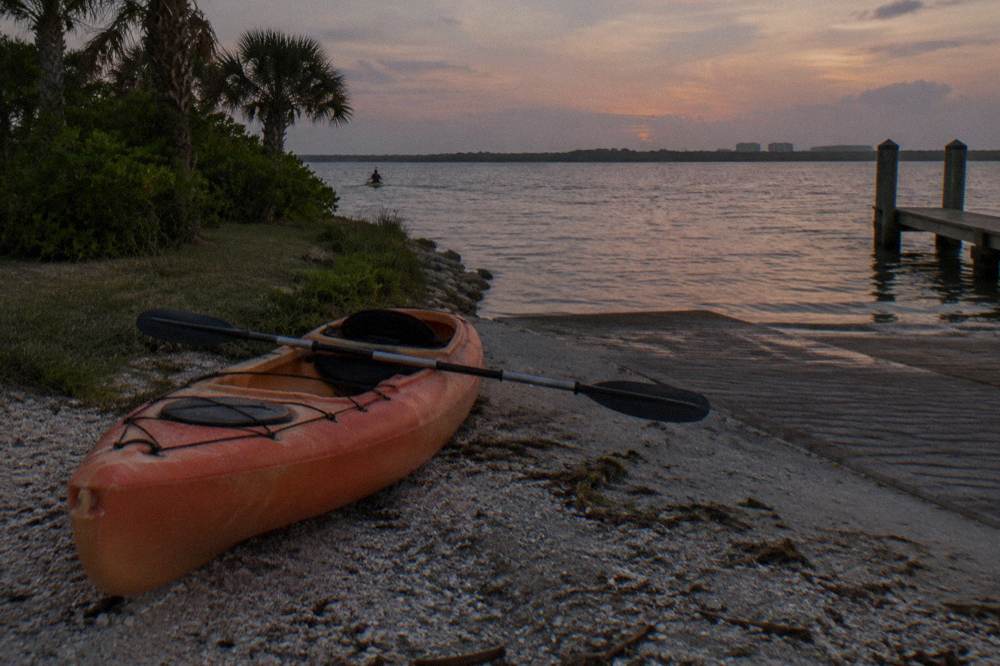
Two things elevate Merritt Island paddling above a normal kayak outing. The first is the wildlife density: paddling the refuge margins puts you at eye level with the same manatees, dolphins and wading birds the wildlife drive shows from the car. The second is bioluminescence. In the warmer months, roughly late May into early October, dinoflagellates in the lagoon produce bright blue-green flashes triggered by movement, every paddle stroke and darting fish, and the darkest nights around the new moon give the best contrast. In cooler months the show shifts to comb jellies, a softer, slower glow that runs roughly November or December into February or March. The transition weeks in late October and November are unpredictable, so book with the season in mind.
The best-value guided night paddle on the island, judged by rating and volume on the listing, is the Bioluminescence Kayak Tour out of Kelly Park East: 4.8 from 928 reviews, from $75 per person, two hours, free cancellation. For when to go, the Florida bioluminescence month guide breaks the calendar down.
Night paddling carries its own gear rules. Florida requires a Coast Guard-approved wearable life jacket per person on human-powered vessels, worn by children under 6, plus a sound-producing device and a white light ready to signal when operating at night. The FWC states the paddlecraft rules directly. Tour operators supply this equipment; solo renters should confirm theirs does.
When Is The Best Time To Visit Merritt Island?
Spring and summer are the strongest months: manatees are dispersed and frequently seen in warm water, the bioluminescent season runs from late May into early October with a July and August peak, and migratory birds add winter variety. The refuge itself is open year-round sunrise to sunset, so the season changes what you see, not whether you can go.
Manatees are present year-round in the lagoon system, but viewing concentrates in two different ways: warmer months spread them through the refuge waters, while winter pushes them toward warm refugia elsewhere. Seagrass is the quiet driver of that story, and it is the single most informative piece of background on this page: aerial mapping by the water management district showed lagoon seagrass growing from 9,924 hectares in 2023 to 17,042 hectares in 2025, a genuine recovery that supports the manatee and dolphin viewing the tours sell. The Atlantic coast manatee unusual mortality event, the starvation episode linked to seagrass loss, was formally declared over by FWC in March 2025.
| Season | What to expect on Merritt Island |
|---|---|
| Spring (March to May) | Manatees frequent and dispersed; water warming toward 79°F in May; moderate crowds |
| Summer (June to August) | Peak bioluminescence in July and August; manatees active; water around 81 to 82°F; heat and afternoon storms |
| Fall (September to November) | Glow fades by early to mid October; late October into November is an unpredictable transition; fewer crowds |
| Winter (December to February) | Comb jelly glow at its best, often December through February; migratory waterfowl on the drive; cooler water near 70 to 72°F |
One planning caution that no season table captures: Atlantic hurricane season runs June 1 to November 30, and thunderstorms can scrub a summer paddle or close ramps temporarily. Operators announce weather calls and closures, the refuge announces road and ramp status, and every listing on the roster that notes cancellation terms shows free cancellation except one, so a storm rarely costs you the fare.
What Should You Know Before You Go?
Bring the pass money, sun protection, water and a full tank: the refuge is large, services inside it are minimal, and the Visitor Center closes Sundays and Mondays. Stay 50 yards from dolphins on the water, never touch or feed a manatee, and know that rocket launches and weather can change access on short notice.
The logistics gaps catch more visitors than the wildlife does. The island's northern half has essentially no food or fuel; the nearest concentrations are back toward Cocoa Beach or Titusville. The Visitor Center's Tuesday-to-Saturday schedule means Sunday and Monday visitors arrive to closed doors, though the roads, ramps and self-pay stations operate regardless. Give the wildlife drive two to three hours, more with a camera, and go early: light is better, animals are more active, and afternoon thunderstorms in summer are a real factor.
Rules that matter, stated by their sources: NOAA requires at least 50 yards from dolphins when viewing from watercraft and prohibits feeding or harassing them under the Marine Mammal Protection Act. FWC's manatee guidance is look but do not touch, feed, pursue or chase, and the Manatee Sanctuary Act carries real penalties. On the water, FWC's paddlecraft rules require a wearable life jacket per person, worn by children under 6, plus a whistle and a night light. The operators on this roster build all of this into their trips, which is a quiet argument for a guided paddle over a bare rental.
Two access quirks are worth a sentence each. Launch activity at Kennedy Space Center can close or shift seashore access temporarily, so a launch-window day can be either a bonus spectacle or a detour; the space agencies and the park announce closures, not tour operators. And Haulover Canal, a classic paddling access point on the refuge, is a designated year-round manatee refuge where watercraft may not exceed slow speed, a federal rule that applies to kayakers and powerboats alike. For the full set of meeting points, docks and parking details, including where Cocoa Beach tours board, see the meeting points and parking guide.
Is Merritt Island Worth Visiting For A Day Trip From Cocoa Beach?
Yes, and a single well-built day covers it: Black Point Wildlife Drive in the early morning, the Visitor Center or seashore at midday, and a guided kayak tour in the afternoon or a bioluminescence paddle after dark. The whole loop stays inside a short drive of Cocoa Beach and costs from $10 per car plus any tour fares.
The honest counterweights, so the verdict stays balanced. If you do not care about wildlife, the island is a long drive through scrub with a pass booth. Bugs can be serious on the marsh edges in warm months, and the listings themselves say so: one bioluminescence listing tells guests to bring bug spray for night paddles. Summer afternoons storm. And the marquee experiences, manatees and the glow, are wild phenomena: tours run in the right places at the right seasons, and no operator guarantees either. The do tours guarantee sightings page covers that honesty standard in full.
Set against that, a day trip structure works so well because the island compresses. A morning on Black Point, a midday stop at the refuge's beaches or the seashore, and an evening paddle is not an ambitious plan, it is a normal one, and the tour schedule on the roster supports it directly. The strongest single-day version ends with a night paddle in the glow season: the 1.5-Hour Wildlife Refuge Paddle or the refuge-edge manatee kayak by day, the bioluminescence tour after dark.
That is the verdict, and it is the same one this site's own Dolphin Tours Cocoa Beach homepage comparison reaches by a different route: the water is the reason to come, and the guided tours are the easiest way onto it. Book the paddle a few days out in season, check the launch calendar, and let the refuge do the rest.
Common Questions About Merritt Island
Is Merritt Island Worth Visiting?
Yes, if wildlife, kayaking, birdwatching or bioluminescent night paddles interest you. The northern half is a national wildlife refuge with a seven-mile wildlife drive, an accessible manatee viewing deck and year-round access from sunrise to sunset for a $10 per vehicle daily pass. It is not a beach-town destination; Cocoa Beach, next door, is that.
How much does it cost to visit Merritt Island National Wildlife Refuge?
The refuge daily pass is $10 per vehicle and is required for Black Point Wildlife Drive, Bio Lab Road and certain boat ramps. It can be purchased at the Visitor Center, at self-pay stations or online. Canaveral National Seashore, which includes the Playalinda beaches, charges a separate entrance fee.
Can you see manatees and dolphins at Merritt Island?
Regularly, yes, and guaranteed, no. Manatees frequent refuge waters in warm months and the refuge operates an accessible Manatee Observation Deck. Bottlenose dolphins in the surrounding lagoon system number about 1,032 in the best federal estimate. Federal rules require staying at least 50 yards from dolphins and never touching or feeding manatees.
What is the best month for bioluminescent kayaking at Merritt Island?
Dinoflagellate glow peaks in July and August and runs reliably from June through September into early October, with the best contrast on dark nights near the new moon. Comb jellies provide a softer glow roughly December through February. Late October into November is a transition period and unpredictable.
How far is Merritt Island from Cocoa Beach?
Merritt Island lies directly across the Banana River from Cocoa Beach, a short causeway drive from the city to the island's southern half, and well under an hour from central Cocoa Beach to the refuge's main wildlife drive. Most Cocoa Beach visitors do the island as a day trip.
Do you need a tour to kayak at Merritt Island?
No, kayaking is permitted at designated ramps in the seashore and at refuge areas such as Haulover Canal. But guided tours from $55 per person supply kayaks, life jackets, whistles and night lights, all required gear, plus local knowledge of where wildlife gathers. Every kayak tour on this site's roster launching from the island includes equipment.