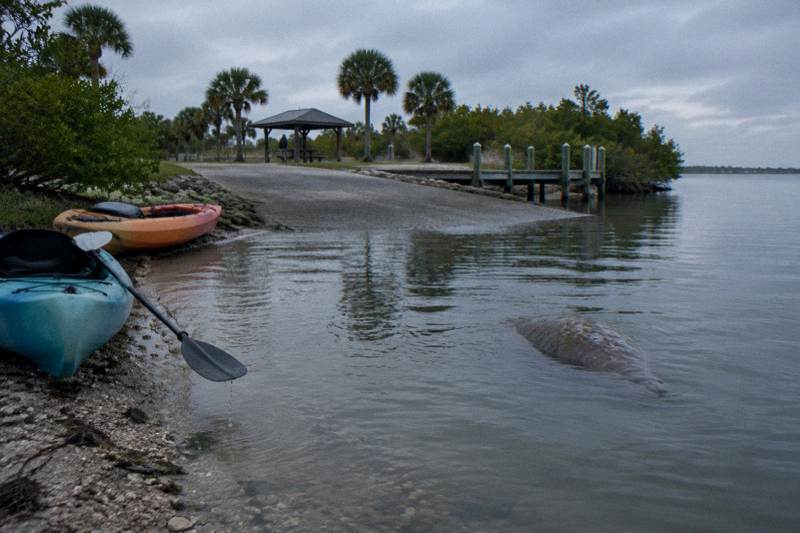
Cocoa Beach Manatee Tours: Where And How To See Manatees Responsibly
Manatees live in the Banana River and Indian River Lagoon all year, and several Cocoa Beach tours are built around finding them. This guide compares the manatee-focused kayak, paddleboard and boat options on the roster, explains the warm-water behavior that drives sightings, and sets out the viewing rules that keep the animals safe.
Short answer
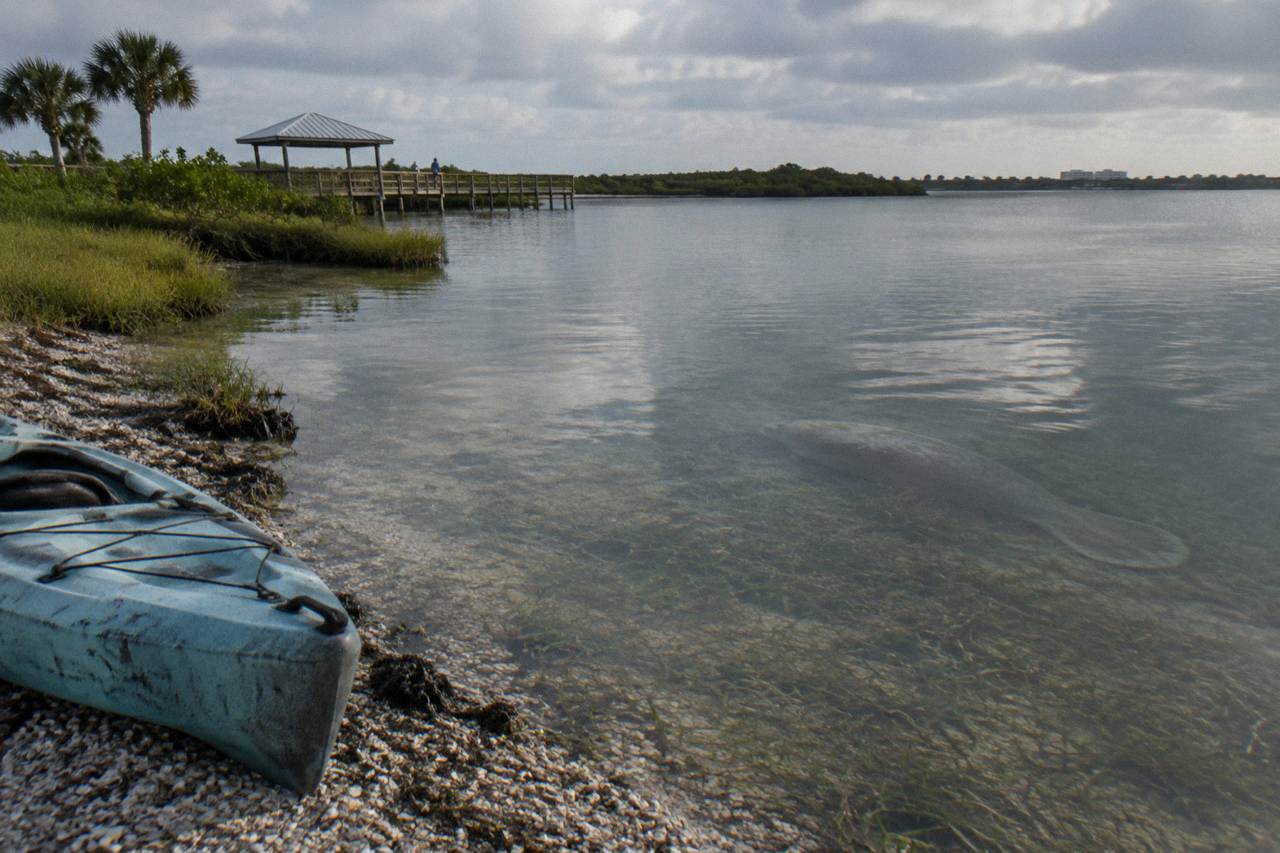
Manatees are present in Cocoa Beach waters year-round, with sightings most consistent in spring and summer when they disperse to feed on recovering seagrass. Tours named for manatees run from $50 to $100 per person, and every viewing follows Florida rules: look, never touch, feed or chase. No tour guarantees a sighting.
Manatees are the quiet half of Cocoa Beach's wildlife headline. Dolphins get the boat tours with the big review counts, but the Banana River and the wider Indian River Lagoon system hold one of the most important manatee habitats in Florida, and the animals are here in every month of the year. The story behind that is genuinely good news: seagrass, the food manatees depend on, has been recovering in the lagoon, with aerial mapping by the St. Johns River Water Management District showing coverage growing from 9,924 hectares in 2023 to 17,042 hectares in 2025. More food means more manatees spending their time in exactly the waters the tours paddle. Better seagrass fixes one problem, but the gravest danger to these animals comes from boat traffic, and reading up on the leading threat to manatees explains why tour captains keep their speeds down.
This guide covers the practical side of manatee tours around Cocoa Beach: which tours on the roster are actually named for manatees, where each one launches, what time of year gives you the best odds, and the rules that apply the moment a manatee appears near your kayak. It also deals with the honesty part, because no operator on this roster, and none anywhere on the Space Coast, can promise you a manatee. What they can do is put you in the water where manatees regularly feed, with a guide who knows the behavior.
The viewing rules deserve their own section, and they are stricter than most visitors expect. The Florida Manatee Sanctuary Act makes it unlawful to annoy, molest, harass or disturb a manatee, and the Florida Fish and Wildlife Conservation Commission translates that into plain paddler language: look but don't touch, don't feed, don't give water, and if a manatee reacts to your presence you are too close. Every recommendation in this guide works inside those rules.
Which Cocoa Beach Tours Are Named For Manatees?
Several tours on this site's roster carry manatees in their listing title, spanning kayak, paddleboard and small-group boat formats from $50 to $100 per person. They launch at four distinct areas: Ramp Road Park and the Cocoa Beach Aquatic Center in Cocoa Beach, Kiwanis Island and the Merritt Island refuge waters, and Kelly Park on the Banana River. All are guided, and all include free cancellation.
The manatee name is not marketing filler here. Operators put it in the title because the launch points sit directly on manatee feeding and travel corridors, and guides on these trips consistently report manatee encounters alongside dolphins and wading birds. Resident bottlenose dolphins and manatees are regularly sighted together on tours in the Banana River and Thousand Islands area, so a manatee-focused booking usually buys you both animals in one outing.
Here is the full field, with the verified figures from each live listing:
| Tour | Format | Price | Rating | Duration |
|---|---|---|---|---|
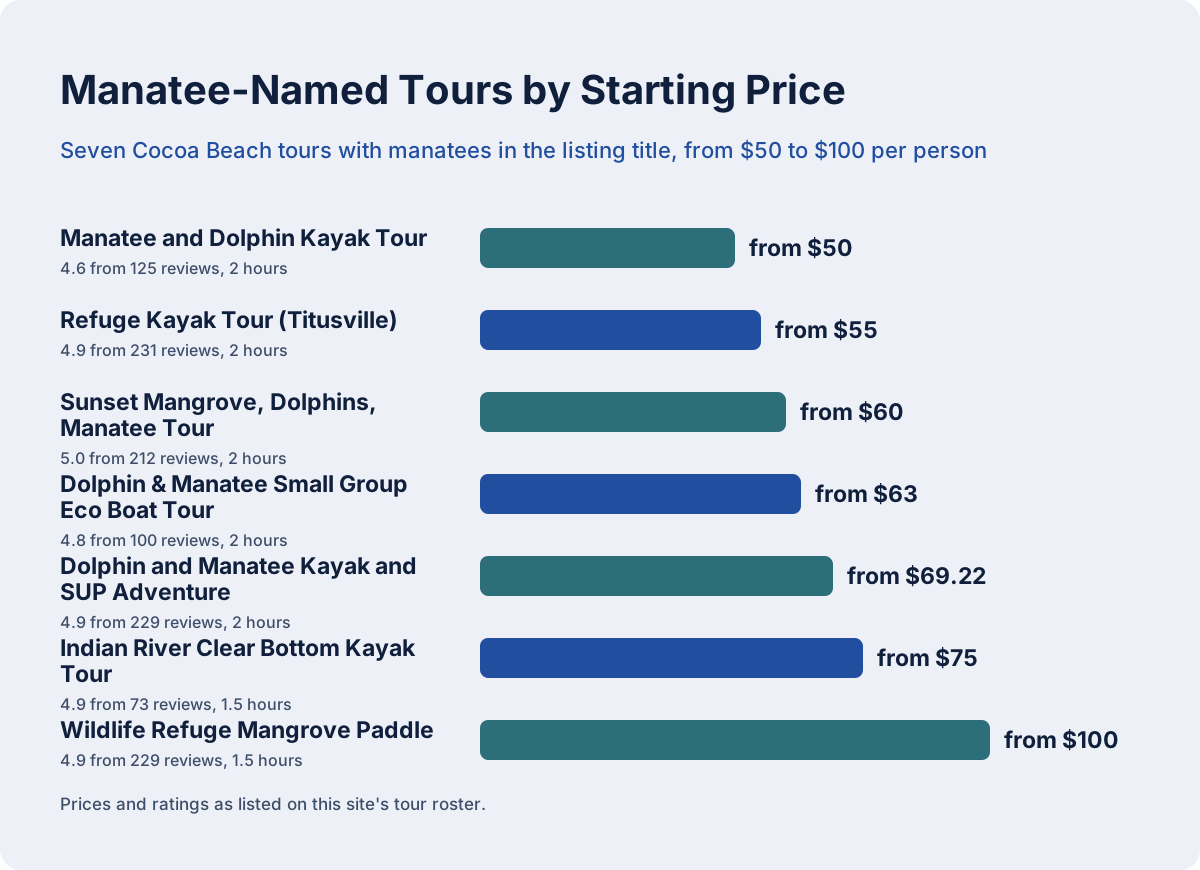
| Manatee and Dolphin Kayak Tour | Tandem kayak | from $50 | 4.6 from 125 reviews | 2 hours |
| Wildlife Refuge Manatee, Dolphin & Mangrove Paddle | Kayak or paddleboard | from $100 | 4.9 from 229 reviews | 1.5 hours |
| Manatee and Dolphin Kayak Tour, Wildlife Refuge (Titusville) | Kayak | from $55 | 4.9 from 231 reviews | 2 hours |
| Dolphin and Manatee Kayak and SUP Adventure | Kayak or SUP | from $69.22 | 4.9 from 229 reviews | 2 hours |
| Indian River Clear Bottom Kayak Tour | Clear kayak or SUP | from $75 | 4.9 from 73 reviews | 1.5 hours |
| Sunset Mangrove, Dolphins, Manatee Tour | Tandem kayak | from $60 | 5.0 from 212 reviews | 2 hours |
| Dolphin & Manatee Small Group Eco Boat Tour | Small-group boat | from $63 | 4.8 from 100 reviews | 2 hours |
The price spread tells a story. The $50 ecological kayak tour from Ramp Road Park is the entry point, a two-hour guided paddle on the Banana River with kayaks, paddles, life jackets, dry bags, sunscreen, bug spray and bottled water included. At the other end, the $100 refuge paddle is the smallest-group, shortest, most wildlife-specialized option on the roster, capped at ten people and launching inside the Merritt Island National Wildlife Refuge area. Between them sit the format choices: clear-bottom kayaks for watching the water column beneath you, paddleboards if you would rather stand, and a small-group eco boat if you want manatees without paddling.
The featured pick for this page is the Manatee and Dolphin Kayak Tour, and the reasoning is straightforward: it is the least expensive manatee-named tour, it launches from a city park right in Cocoa Beach, and its gear list covers the two things paddlers most often forget, sunscreen and drinking water. Its 4.6 from 125 reviews is the lowest rating in the table, and that is worth knowing honestly, but the difference between 4.6 and 5.0 in review terms is thin, and the tour's consistent strengths, the water, the guide and the wildlife corridor, do not change with the score. If you want a same-family alternative with a perfect rating, the sunset mangrove kayak covers similar territory for $10 more.
When Is The Best Time Of Year To See Manatees In Cocoa Beach?
Manatees stay in the Cocoa Beach lagoon system all year, but sightings are most consistent from spring through early fall, when warm water spreads the animals out to feed across the Banana River and Indian River Lagoon. The Florida wildlife refuge that manages key manatee habitat notes manatees frequent viewing areas reliably in spring and summer. Winter concentrates them at warm-water refugia rather than dispersing them across tour routes.
The mechanics are simple and worth understanding before you book. Manatees are subtropical animals with low metabolic rates and no real cold tolerance; when lagoon water drops into the low 70s and below, roughly December through February, they gather near warm water and springs rather than ranging widely. Cocoa Beach sea temperatures run around 70 to 72 degrees in January against 82 to 84 in August and September. That seasonal difference in the water is the seasonal difference in your sighting odds: warm months put feeding manatees across the shallow flats, mangrove channels and canals that tours paddle every day.
The seagrass recovery matters to timing too. The lagoon lost a catastrophic share of its seagrass between 2009 and 2017, which drove the starvation unusual mortality event that killed over 1,100 manatees in 2021 alone; FWC officially declared that event over in March 2025, with annual deaths falling to 565 by 2024. With mapped seagrass coverage now at 17,042 hectares and still expanding, the feeding grounds the tours travel are in their best condition in over a decade. Guides are not shy about this: a well-fed manatee population behaves normally, and normal behavior includes grazing in the same shallow flats kayaks can reach.
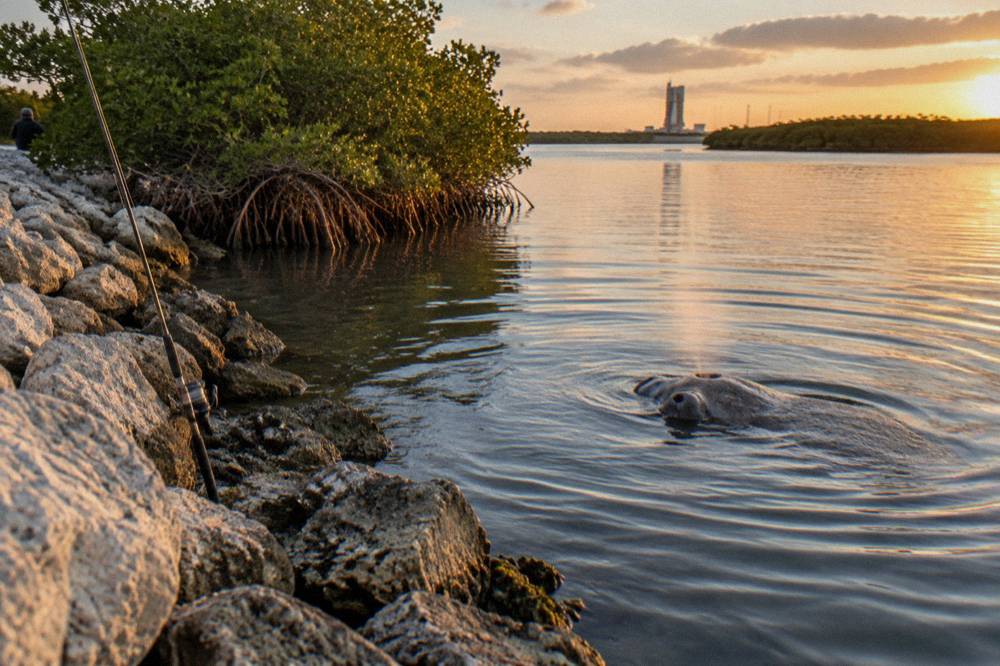
Within a day, mornings tend to be the calmer, cooler window and often the most productive for wildlife generally, but operators run trips across the day and the sunset mangrove tour deliberately times its two hours around the evening feed. In June 2026, Florida Today documented a manatee mating aggregation in the Indian River Lagoon near Cocoa, a reminder that early summer can bring dramatic surface activity as well as grazing animals. If your dates are flexible, the best time to see dolphins and manatees in Cocoa Beach breaks the calendar down month by month.
Boat Tour Or Kayak Tour: Which Format Finds Manatees?
Kayak and paddleboard tours reach the shallow seagrass flats and mangrove channels where manatees feed, while boat tours cover more water and suit non-paddlers; around Cocoa Beach the kayak routes along the Banana River and refuge shorelines are classic manatee habitat, and the small-group eco boat from Kelly Park is the strongest boat alternative at $63 per person, rated 4.8 from 100 reviews. The clear-bottom kayak adds underwater viewing for $75.
The choice is mostly about access. A kayak drafts inches of water and can idle along the edge of a flat where a manatee is grazing; a powerboat watches from the deeper channel. That is not a disadvantage in disguise: staying back in deeper water is exactly what the viewing rules ask of motorized craft, and the eco boat's guide positions the vessel for viewing rather than approach. Families with small children, anyone with shoulder or back issues, and visitors who simply do not want to paddle will see more overall from the boat, which also regularly finds dolphins and bird life.
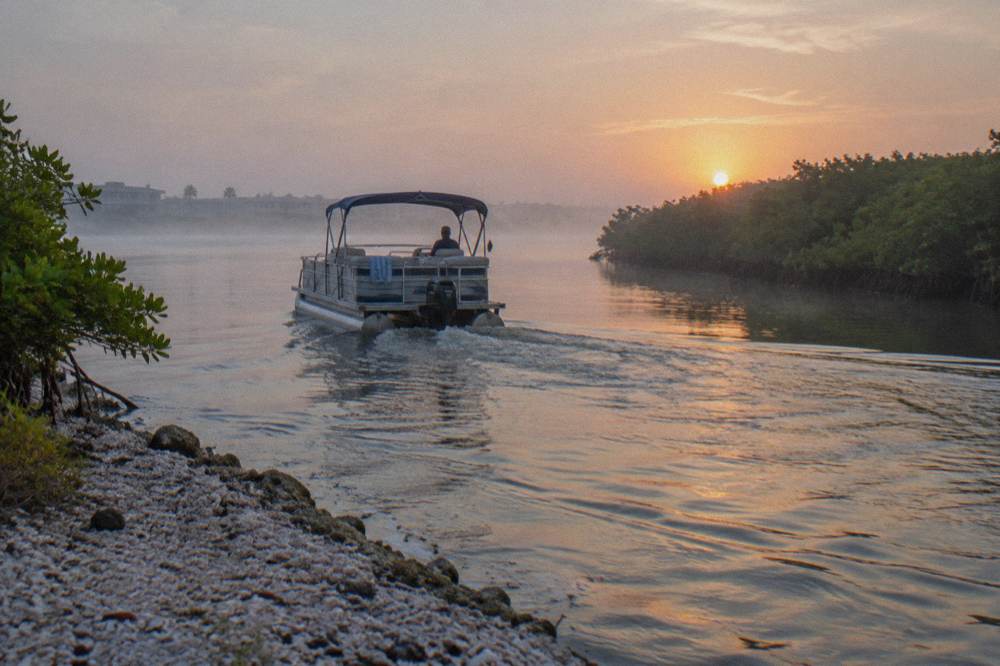
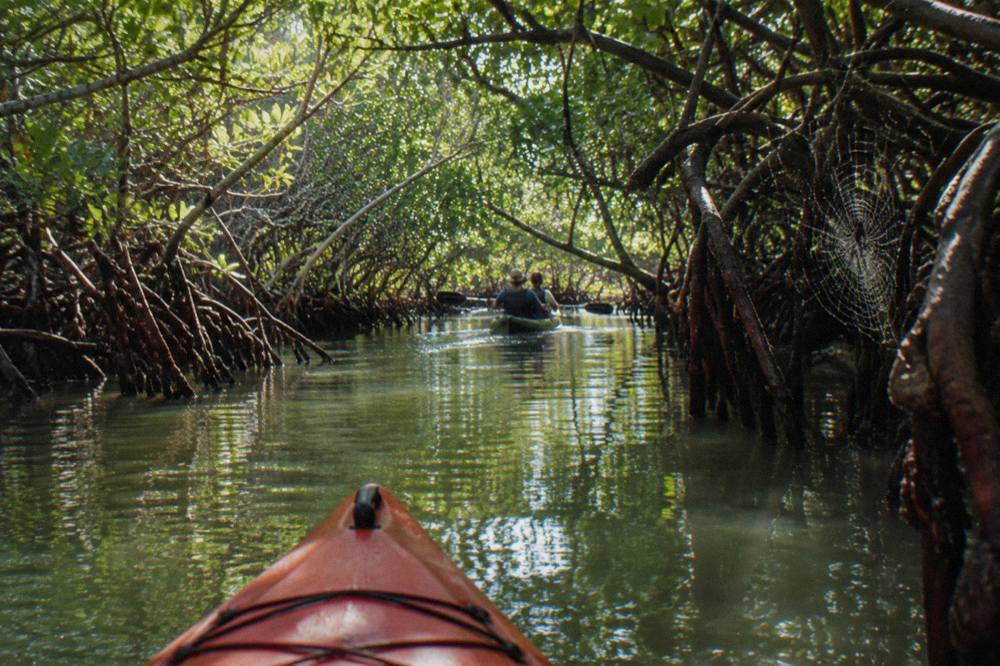
Paddlers get proximity within the rules. The Cocoa Beach kayak tours guide covers the launch landscape in detail, but the manatee-relevant version is this: the Aquatic Center launch puts you on the Banana River flats immediately, Tom Warriner Boulevard reaches the mangrove tunnels, Kiwanis Island sits mid-lagoon, and the refuge launches north of the city put you inside the wildlife refuge proper. Each is a different manatee environment, from open grazing flats to shaded mangrove creeks.
Two format notes worth money. First, the clear-bottom kayak tour at Kiwanis Island is the one listing that sells the underwater view itself, a windowed hull that shows the water column beneath you, useful when manatees pass below. Second, note the duration spread before you compare prices: the refuge paddle and the clear-bottom tour each run 1.5 hours, while the Ramp Road, sunset, Aquatic Center and Titusville tours all run a full two, so the shorter listings pack their cost into less time on the water. You are paying for the refuge setting and a group capped at ten on the $100 paddle, not for more minutes.
One more honest note on boats: the 2.5-hour eco activity, $42.80 from a 5.0 rating across 309 reviews, is the roster's most polished dolphin-and-wildlife boat product, but it does not carry the manatee name, and its listing shows no free cancellation. If manatees are the priority rather than a bonus, book one of the tours named for them.
Where Do Manatee Sightings Actually Happen?
The sighting map for Cocoa Beach manatee tours centers on the Banana River lagoon west of the city, the Indian River Lagoon channels around Kiwanis Island and Merritt Island, and the Merritt Island National Wildlife Refuge waters north toward Titusville; on land, the refuge operates an accessible Manatee Observation Deck, and Haulover Canal is a designated year-round manatee refuge with a slow-speed requirement for all watercraft.
Every launch on the manatee tour table sits on that spine of water. Ramp Road Park on the Banana River, the Aquatic Center lot, Kelly Park, Kiwanis Island and the refuge GPS point on the $100 paddle are all within the same connected lagoon system, which is precisely why manatees move between them. The Thousand Islands mangrove maze south of the causeway, covered in the Banana River and Thousand Islands wildlife guide, is another regular feeding area that several of these tours thread through.
For a free, self-guided look, the refuge side is hard to beat. Merritt Island National Wildlife Refuge is open year-round sunrise to sunset, charges $10 per vehicle for a daily pass covering Black Point Wildlife Drive and the boat ramps, and operates a handicap-accessible Manatee Observation Deck; the refuge advises that manatees frequent viewing areas reliably in spring and summer. Haulover Canal carries its own federal designation as a year-round manatee refuge where watercraft may not exceed slow speed, a rule tours and private boaters alike must follow. The Merritt Island kayak tours and refuge launches guide maps the launch options on that side.
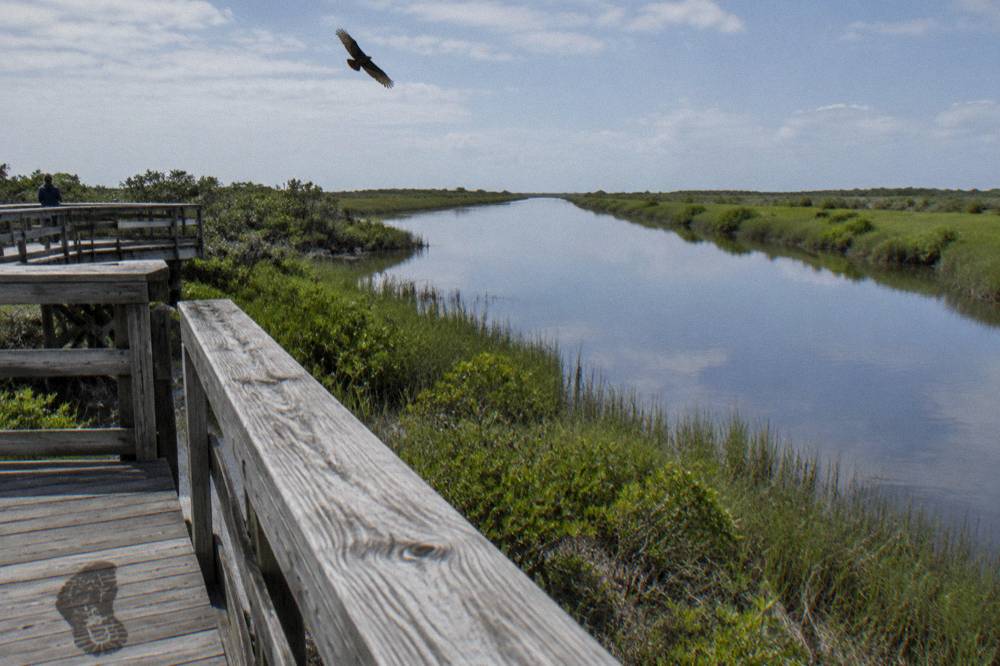
Refuge staff reinforce the same message tour guides give: in an August 2026 post, Merritt Island National Wildlife Refuge reminded visitors to view manatees from a distance and never touch or feed them. That consistency between the official land managers and the tour operators is a good sign for the animals, and it frames the rules section below. More of these guides are collected on Dolphin Tours Cocoa Beach.
The launch-to-water matchup is the piece first-time visitors most often get wrong, so here it is side by side:
| Launch area | Water you paddle | Manatee environment |
|---|---|---|
| Ramp Road Park, Cocoa Beach | Banana River flats | Open grazing shallows next to the city |
| Cocoa Beach Aquatic Center lot | Banana River | Flats plus mangrove edges, minutes from launch |
| Tom Warriner Boulevard, Cocoa Beach | Mangrove tunnels | Shaded creeks and winding channels |
| Kiwanis Island Park | Mid-lagoon Indian River Lagoon | Calm coves between island and mainland |
| Kelly Park | Banana River near Merritt Island | Wide lagoon water, boat and paddle tours share it |
| Refuge point (Titusville side) | Merritt Island refuge waters | Wild, quiet feeding habitat, smallest groups |
What Are The Rules For Watching Manatees?
Under the Florida Manatee Sanctuary Act it is unlawful to annoy, molest, harass or disturb a manatee at any time; state penalties reach a $500 fine and up to 60 days in jail, and federal penalties under the Marine Mammal Protection Act reach $50,000 and a year in prison. In practice: look, never touch, feed, give water to, chase or pursue a manatee, and if the animal reacts to you, you are too close.
The FWC's viewing guidelines spell out paddler behavior in plain terms, and there is a dedicated page for paddlers because kayakers are the visitors most likely to end up beside a manatee. Passively observing a manatee that comes near you is legal and wonderful; reaching out to touch one, positioning your kayak over one, or following one as it moves away crosses into harassment. The same law protects manatees from boat strikes, which is the species' biggest human threat, and it is why tour boats hold distance in the channel while kayaks drift.
Dolphins on the same water carry their own federal rule: NOAA Fisheries asks boaters and paddlers to stay at least 50 yards from dolphins, about half a football field, and feeding or harassing any marine mammal is illegal under the Marine Mammal Protection Act. Since nearly every manatee tour on this roster also encounters dolphins, hold both rulebooks in your head at once. If the question of getting in the water with dolphins appeals, read can you swim with dolphins in Cocoa Beach first: the short answer is that swimming toward wild dolphins is not a legal activity here, and manatee contact rules are stricter still.
A guided tour is the easiest way to stay compliant, because the guide carries the responsibility for positioning and timing. The manatee-named tours include a professional or knowledgeable guide, and several listings state the guide stays with you the entire time. Guests who book unguided rentals bear the full legal load themselves, which is a fair argument for the $50 to $100 guided ticket.
How Likely Are You To Actually See A Manatee?
No Cocoa Beach tour guarantees a manatee sighting, and any operator that promised one would be selling you something wild animals cannot deliver. What the record supports is "regularly reported": manatees are documented on Banana River and Thousand Islands tours throughout the warm months, and review pools in the hundreds across the manatee-named tours describe frequent encounters. Winter bookings shift the odds toward dolphins and birds.
This site keeps a standing page on the honesty question, do Cocoa Beach dolphin tours guarantee sightings, and the manatee version is the same principle with different biology. Manatees surface to breathe every few minutes, move slowly, and favor the same shallow flats as the tours, which makes them easier to find on a flat calm morning than a windy afternoon. Weather, tide, boat traffic and season all move the needle. Thunderstorm days scrap or reshuffle launches, with the operator announcing any change; hurricane season runs June 1 to November 30, and operators adjust around named weather rather than pushing through it.
The review counts are the fairest evidence available. The Titusville refuge kayak holds 4.9 from 231 reviews, the SUP-and-kayak adventure 4.9 from 229, the sunset mangrove paddle 5.0 from 212. Pools of that size on wildlife tours do not form around products that routinely come back empty. That is probabilistic, not a promise, and it is the honest frame: book a manatee-named tour in the warm half of the year and you are buying a very good chance, not a certainty.
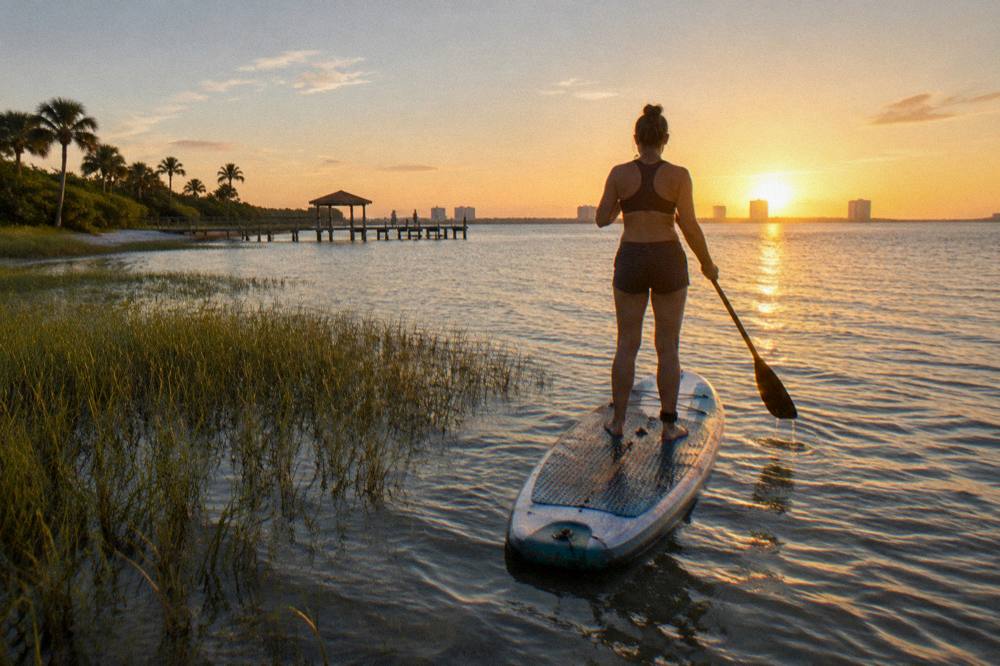
One planning lever helps: time on the water. The refuge paddle is 1.5 hours and the clear-bottom tour 1.5, while the Ramp Road, sunset, Aquatic Center and Titusville tours all run a full two. More hours in manatee water is the cheapest odds upgrade there is, and at these prices the two-hour options cost little more than the shorter ones.
How To Book And What To Check Before You Go
Book a manatee tour one to three weeks ahead for spring and summer dates, the same day for weekday winter trips; prices run $50 to $100 per person, every manatee-named tour but the eco boat is a kayak or paddle format, and every listing carries free cancellation, so a refundable booking costs nothing extra. The eco boat is the only non-paddle format here.
Practical checklist items before you confirm any of these:
| Check | What to look for |
|---|---|
| Cancellation terms | Every manatee-named listing shows free cancellation, eco boat included. |
| Meeting point | Ramp Road Park, the Aquatic Center lot, Tom Warriner Blvd, Kiwanis Island, Kelly Park or a post-booking point for Titusville. |
| Parking | The kayak listings note free parking; city parks enforce paid parking, so read posted signs. |
| Included gear | Most include kayak or SUP, paddle, life jacket; the Ramp Road tour adds dry bags, sunscreen, bug spray and water. |
| Kids and group size | Group caps run from 10 on the refuge paddle to 42 on the Titusville tour; child fares show on the live listing. |
Weather authority sits with the operator, who announces delays, reroutes and cancellations; morning trips are the most weather-stable. Two clothing notes recur across listings: apply sunscreen before arrival where asked, and expect the Aquatic Center and Kiwanis Island launches to involve wading a few steps into the lagoon. The full packing breakdown lives in what to wear on a Cocoa Beach boat or kayak tour.
If your trip is already shaping up around the water in general, the Cocoa Beach boat tours compared guide puts the dolphin boats, the eco activity and the sunset cruise side by side, and the site's homepage comparison offers a three-question picker if you are still deciding between formats.
Common Questions About Cocoa Beach Manatee Tours
When can you see manatees in Cocoa Beach?
Manatees are present year-round, with the most reliable sightings from spring through early fall when warm water spreads them across the Banana River and Indian River Lagoon feeding flats. Winter concentrates them near warm-water refugia. The refuge notes manatees frequent viewing areas reliably in spring and summer.
Do Cocoa Beach manatee tours guarantee sightings?
No. Manatees are wild animals and no tour on this roster, or anywhere on the Space Coast, guarantees a sighting. Tours launch directly into documented feeding corridors, which makes encounters regularly reported rather than promised.
Can you touch or feed a manatee on a tour?
Never. The Florida Manatee Sanctuary Act makes it unlawful to annoy, molest, harass or disturb a manatee, with state penalties up to a $500 fine and 60 days in jail and federal penalties up to $50,000 and a year in prison. Touching, feeding, giving water and chasing are all prohibited.
What is the cheapest manatee tour in Cocoa Beach?
The Manatee and Dolphin Kayak Tour from Ramp Road Park starts at $50 per person for two hours, including kayak, gear, dry bags, sunscreen, bug spray and bottled water. A small-group eco boat alternative runs from $63 per person.
Kayak or boat for manatees?
Kayaks and paddleboards reach the shallow flats and mangrove channels where manatees feed, which is why most manatee-named tours are paddle formats. The small-group eco boat suits non-paddlers and covers more water while viewing from proper distance.
Where can I see manatees in Cocoa Beach for free?
Merritt Island National Wildlife Refuge operates an accessible Manatee Observation Deck, open with the refuge year-round sunrise to sunset, entry $10 per vehicle. The refuge reminds all visitors to view manatees from a distance and never touch or feed them.
Manatee watching around Cocoa Beach rewards a little planning: pick a warm month, pick a launch that matches your energy, book the refundable listing, and let the guide handle the distance rules. The lagoon's recovery has given these animals back their feeding grounds, and the tours on this page are the simplest legal, low-impact way to watch that happen.